Basement Waterproofing Solutions for Finished Basements
People searching for basement waterproofing solutions for finished basements are typically trying to prevent water damage and mold, and local contractors can provide expert solutions to keep basements dry and protected.
Finished basements can be a valuable extension of living space, but moisture issues often pose a challenge for property owners in the area. If you’ve noticed dampness, musty odors, or water stains, exploring basement waterproofing solutions for finished basements is a practical step to protect your investment and ensure a comfortable environment. Local contractors who specialize in these services understand the unique conditions of the area and can recommend effective strategies to keep your basement dry and inviting.
Whether you're considering improvements to increase usability or safeguard against future water problems, understanding the options available can make a significant difference. Many local service providers offer tailored basement waterproofing solutions designed to suit finished spaces, helping property owners address existing concerns and prevent potential damage. Keep reading to learn more about how these solutions can help maintain the integrity and comfort of your finished basement.
- Finished basement waterproofing - homeowners noticing water intrusion or dampness in their finished basement may seek local contractors to install effective waterproofing systems.
- Basement sealing and drainage - when basement walls or floors show signs of leaks or mold, service providers can implement sealing and drainage solutions to prevent further damage.
- Waterproofing for living spaces - individuals planning to finish or remodel their basement might contact local pros to ensure proper waterproofing before completing interior work.
- Basement moisture control - persistent humidity or condensation issues in a finished basement often lead people to consult local contractors for moisture management services.
- Leak repair and prevention - homes with ongoing or recent water leaks in the basement seek expert assistance to repair and install preventative waterproofing measures.
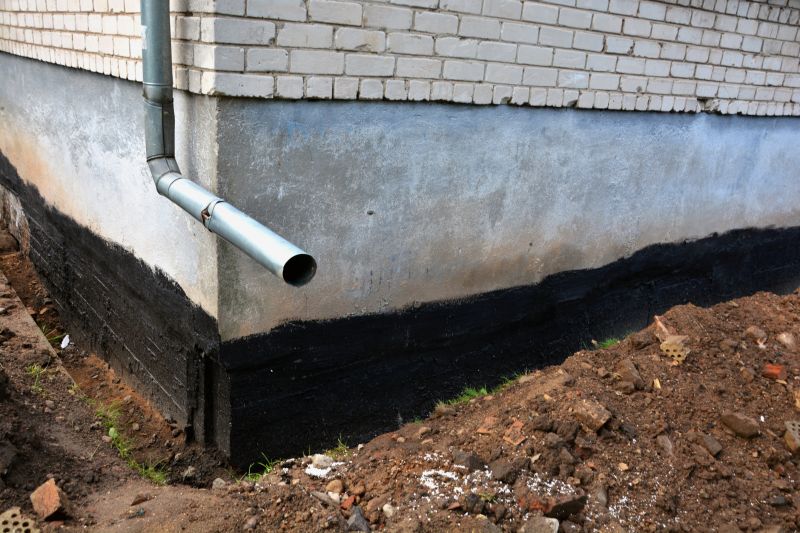
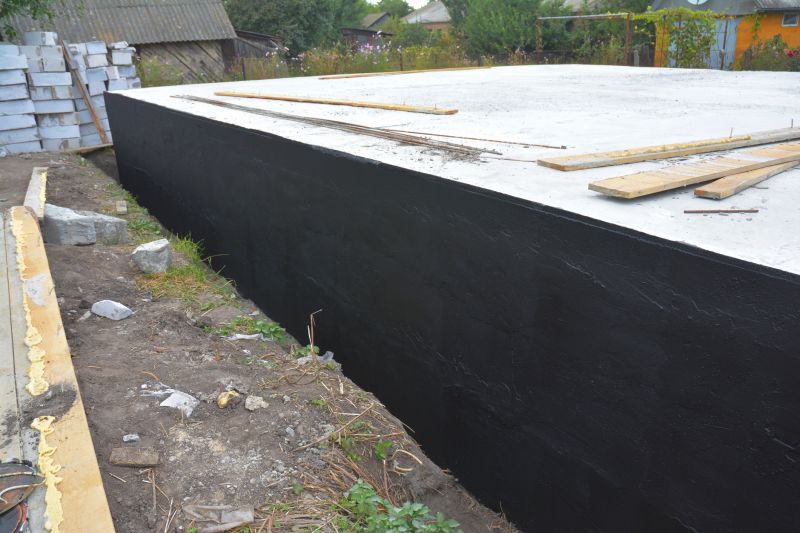
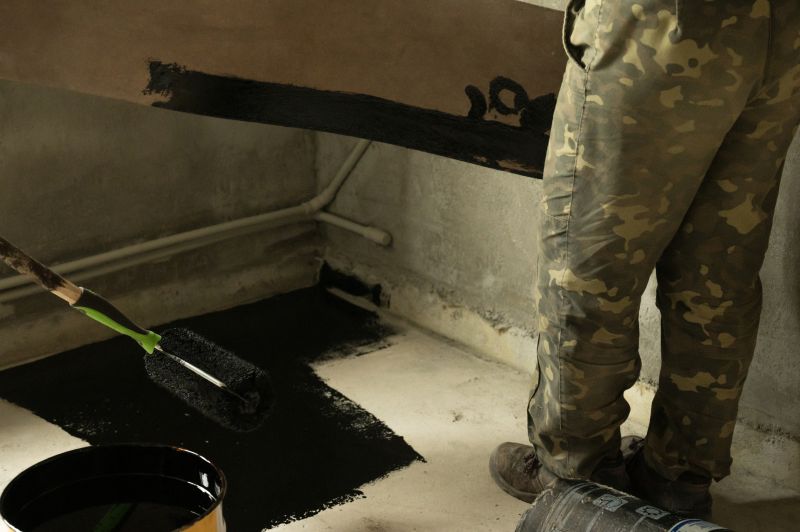
When searching for basement waterproofing solutions for finished basements, homeowners typically mean measures taken to prevent water intrusion and manage moisture levels in areas that have already been renovated or decorated. Finished basements often include living spaces, storage areas, or entertainment rooms, making water problems particularly disruptive. People looking into this topic usually want to understand how to protect their investments from leaks, dampness, or flooding that can damage walls, flooring, furniture, and personal belongings. They may also be concerned about preventing mold growth and maintaining a comfortable, healthy environment in their basement spaces.
The problems associated with finished basements that lead homeowners to seek waterproofing solutions often involve signs of water intrusion such as damp patches, musty odors, or visible mold. Common issues include basement flooding during heavy rains, seepage through foundation cracks, or high humidity levels that cause condensation. These concerns are often linked to plans for remodeling or finishing a basement, as homeowners want to ensure their new spaces remain dry and durable over time. Addressing these issues early with appropriate waterproofing strategies can help avoid extensive repairs and protect the integrity of the finished space.
Properties that typically come up in discussions of basement waterproofing for finished basements include a range of residential buildings, from older homes with aging foundations to newer constructions that may have overlooked initial waterproofing needs. Homes built on flood-prone or poorly drained sites are often more vulnerable to water issues. Additionally, properties with basements that have experienced previous water problems or show signs of moisture intrusion are common candidates for professional waterproofing solutions. These projects can involve various property types, including single-family houses, multi-unit buildings, and even some small commercial structures with finished basement areas.
Local service providers who specialize in basement waterproofing solutions for finished basements play a key role in assessing and addressing these issues. They typically evaluate the specific conditions of each property, including foundation integrity, drainage systems, and existing waterproofing measures. Based on their assessments, they recommend tailored solutions such as interior sealants, sump pump installations, or exterior waterproofing barriers. Connecting with experienced contractors ensures that homeowners receive practical, effective options to keep their finished basements dry and functional, helping to safeguard their investment and maintain the comfort of their living spaces.
Foundation Repair - foundation repair projects often involve assessing and stabilizing basement structures, requiring skills similar to those used in waterproofing finished basements to prevent water intrusion and structural issues.
Drainage System Installation - installing interior or exterior drainage systems helps manage water flow around the foundation, complementing basement waterproofing efforts to keep finished spaces dry.
Cement and Masonry Work - masonry repairs and sealing techniques are essential for addressing cracks and leaks in basement walls, aligning with waterproofing solutions for finished basements.
Interior Wall Waterproofing - applying sealants and vapor barriers on interior walls is a key component of basement waterproofing, requiring similar planning and materials expertise.
Basement Finishing - finishing a basement involves moisture control strategies, making it compatible with waterproofing solutions to ensure a dry, usable space.
Waterproofing Membrane Application - installing waterproof membranes on walls and floors is a core part of basement waterproofing projects, utilizing comparable tools and techniques as other waterproofing services.
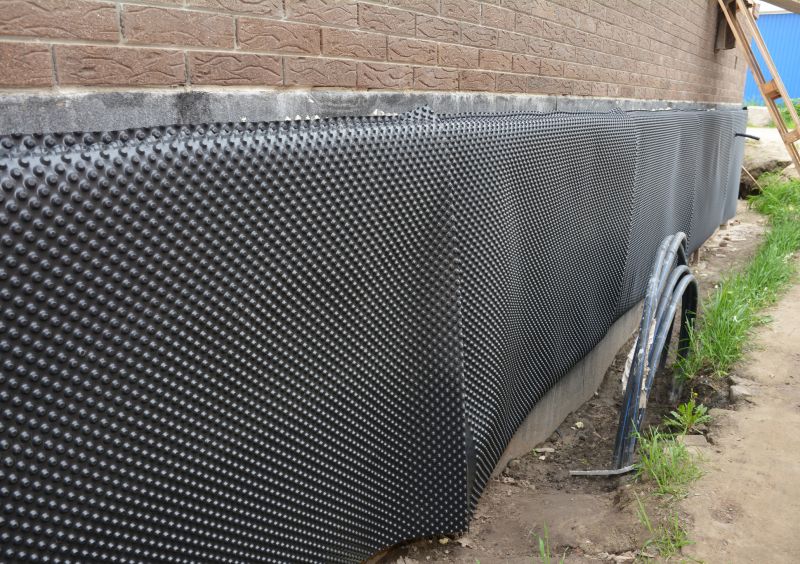
When evaluating basement waterproofing solutions for finished basements, it is important to consider the experience of local contractors with similar projects. Homeowners should seek out service providers who have a track record of working on finished basements, as this type of work can involve unique challenges compared to unfinished spaces. Contractors with relevant experience are more likely to understand the nuances of waterproofing in a finished setting, including how to minimize disruption and protect existing finishes during the process.
Clear and detailed written expectations are essential to ensure that both homeowners and service providers are aligned on the scope of work. Pros should provide comprehensive descriptions of the methods they plan to use, the materials involved, and what the homeowner can expect during and after the project. This transparency helps prevent misunderstandings and provides a basis for evaluating whether a contractor's approach aligns with the specific needs of waterproofing a finished basement.
Reputable references and strong communication skills are key indicators of a reliable service provider. Homeowners are encouraged to ask potential contractors for references from past clients who had similar basement waterproofing solutions completed. Additionally, good communication-such as prompt responses to inquiries and a willingness to answer questions-can make the entire process smoother. Service providers who prioritize clear, consistent communication and have positive references are often better equipped to deliver satisfactory results for finished basement waterproofing projects.
Property owners often search for basement waterproofing solutions for finished basements when they are planning practical projects around their homes and businesses. Local pros provide Basement Waterproofing Solutions services for everyday jobs and straightforward project options.
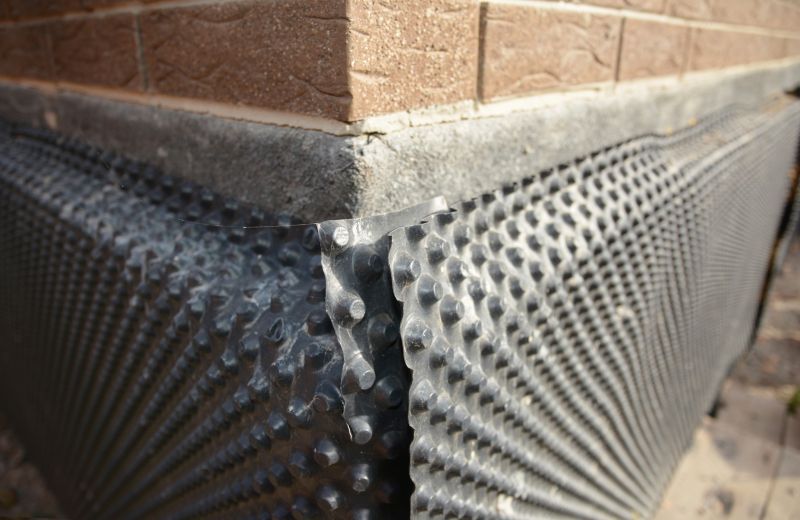
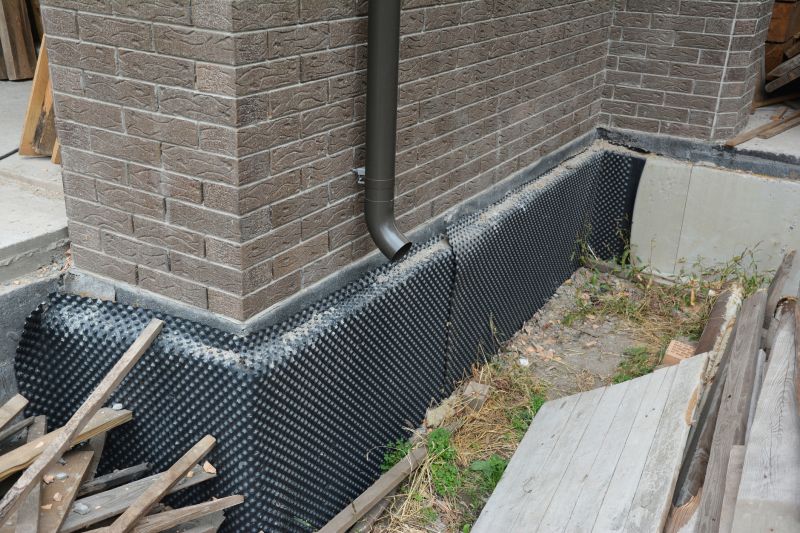
Homeowners in the area often look into basement waterproofing solutions for finished basements after experiencing signs of moisture, such as dampness, mold growth, or musty odors. These issues can arise from minor leaks or poor drainage, especially during heavy rains or seasonal changes. Property owners may seek out local contractors who specialize in waterproofing to help protect their living spaces, prevent structural damage, and maintain the comfort of their homes. With many local service providers experienced in handling these projects, residents can find options to address their specific basement concerns efficiently and effectively.
Many property owners consider basement waterproofing solutions for finished basements when planning renovations or upgrades, aiming to ensure their basement remains a dry, usable space. Local contractors often offer a variety of services tailored to different needs, from sealing foundation cracks to installing sump pumps or drainage systems. These solutions can help mitigate water intrusion and reduce the risk of ongoing moisture problems, making it easier to enjoy the full potential of a finished basement. Connecting with experienced local service providers can provide peace of mind when tackling basement waterproofing projects, ensuring the work aligns with the home's needs and conditions.
What are common basement waterproofing solutions for finished basements? Common solutions include interior waterproofing methods like sealants, sump pumps, and drainage systems, as well as exterior waterproofing options such as excavation and membrane installation. Local contractors can assess the specific needs of a finished basement to recommend appropriate measures.
Can basement waterproofing solutions be integrated into a finished basement without major renovations? Yes, many waterproofing options can be installed with minimal disruption to finished spaces, including interior sealants, sump pump systems, and drainage improvements. Experienced service providers can help ensure the work blends seamlessly with existing finishes.
What signs indicate that a finished basement needs waterproofing solutions? Signs include persistent dampness, water stains, mold growth, musty odors, or visible efflorescence on walls. Local pros can evaluate these issues to determine suitable waterproofing strategies.
Are there specific waterproofing methods suitable for basements with existing finishes? Yes, interior waterproofing methods like applying sealants, installing sump pumps, and improving drainage are often suitable for finished basements. A professional assessment can identify the best approach based on the basement’s condition.
How do local contractors determine the best basement waterproofing solutions for finished basements? They evaluate factors such as the basement’s construction, moisture issues, and existing finishes to recommend effective waterproofing options tailored to the space. Proper assessment ensures solutions address the root causes of water intrusion.
Assessing moisture sources - property owners can identify common sources of basement moisture to determine where waterproofing services are needed.
Choosing appropriate barriers - homeowners can work with local contractors to select and install waterproof membranes or sealants that suit finished basement spaces.
Implementing drainage solutions - property owners might consider installing interior or exterior drainage systems to redirect water away from the foundation.
Planning for ongoing maintenance - individuals can establish regular inspections and upkeep routines to ensure waterproofing measures remain effective over time.
If you are thinking about basement waterproofing solutions for finished basements for a property, this guide is meant to help you understand this topic, the typical project types, and how different options might fit your plans.
When you are ready, you can use the quote form on this page to share a few details about your project. From there, local pros can review the basics and follow up with options that match what you have in mind.